
Tel:
07919 147565


Bamboo removal in the UK typically costs between £500 and £3,000 depending on the size of the Getting rid of bamboo permanently requires a combination of physical removal and chemical treatment, as no single method alone is reliably enough to stop it returning. The key is persistence: bamboo’s root system is engineered for survival, and understanding that is what separates a one-off tidy-up from a permanent solution.
What Kills Bamboo Permanently: Chemical and Organic Options
When it comes to killing bamboo permanently, herbicides containing glyphosate are the most widely used and effective chemical option available in the UK. Products such as Roundup Tree Stump and Rootkiller, which are formulated for tough woody plants, can penetrate bamboo’s vascular system when applied correctly to freshly cut canes, giving the chemical the best possible route down into the root mass.
That said, chemical treatments rarely work as a standalone fix. Most professionals recommend cutting the canes back to around 15cm above the ground first, then applying the herbicide directly to the cut surface within minutes of cutting so the plant is still drawing fluid upwards and can absorb the treatment most effectively.
| Chemical Treatment | Active Ingredient | Suitable For | Notes |
|---|---|---|---|
| Roundup Tree Stump and Rootkiller | Glyphosate | Running and clumping bamboo | Apply to freshly cut canes for best results |
| SBK Brushwood Killer | Triclopyr | Woody invasive plants | Less commonly used for bamboo but effective on some species |
| Kurtail Evo | Glyphosate + diflufenican | Large outdoor infestations | Professional-grade, requires licence |
| Organic vinegar (20% acetic acid) | Acetic acid | Small surface growth | Multiple applications needed; does not kill roots |
| Cut and deny method | N/A | All bamboo species | No chemicals; relies on repeated cutting over 1-2 years |
Need help with Bamboo Removal? Contact our certified Bamboo Removal Team here
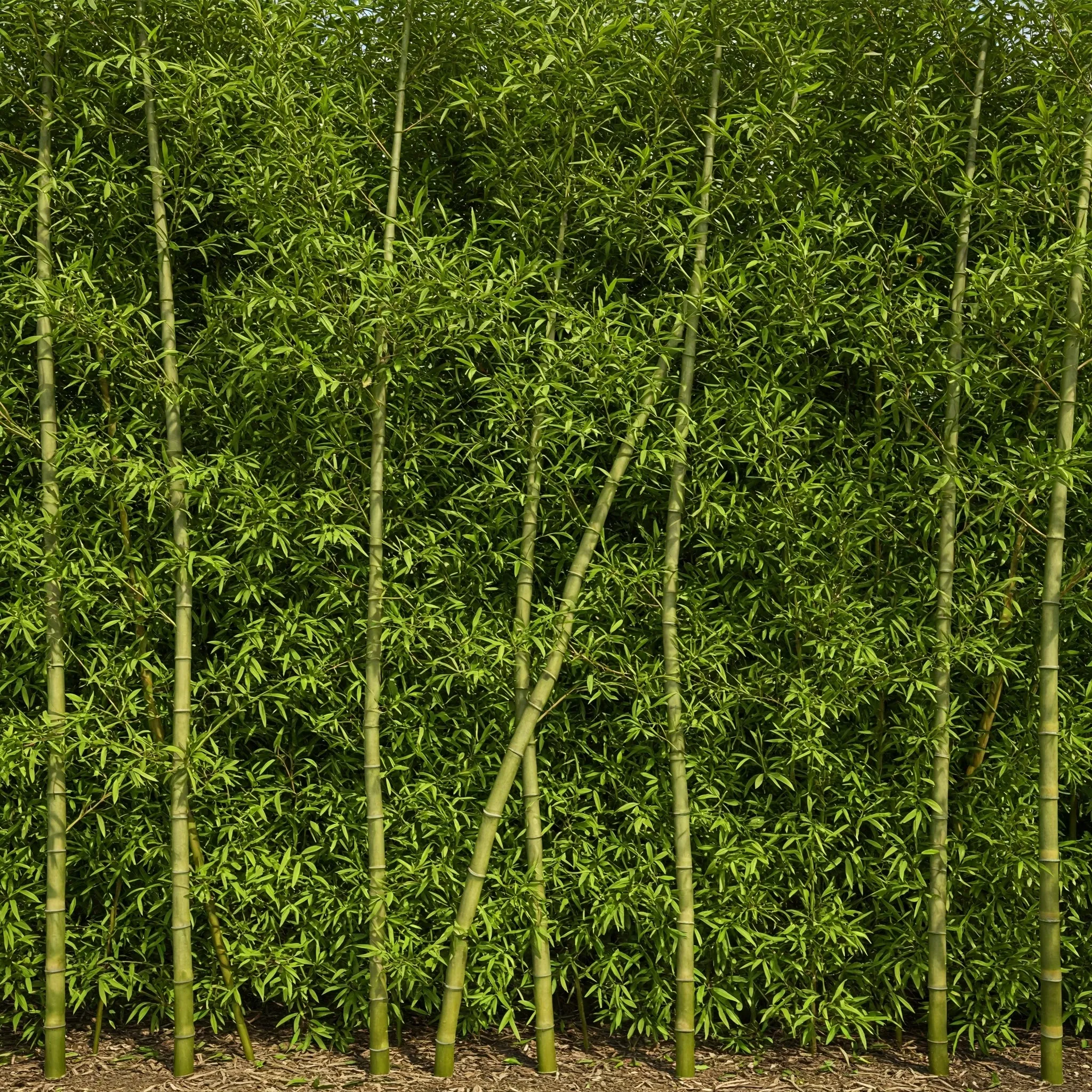
What Is the Best Root Killer for Bamboo in UK Gardens?
The best root killer for bamboo in UK gardens is a concentrated glyphosate-based product applied through what gardeners call the “cut and paint” method. This involves cutting each cane close to the base, then immediately painting or pouring undiluted herbicide directly onto the hollow stem so it is absorbed through the vascular tissue before the plant has time to seal the wound.
It is worth noting that no single application will kill an established bamboo colony in one go. Rhizomes (the underground stems that spread bamboo) can extend several metres from the visible plant, and any section left untreated will simply regenerate. Repeating treatment every four to six weeks throughout the growing season, typically from April through to September, gives the best chance of killing the root system completely.
How Deep Do You Have to Dig to Get Rid of Bamboo Roots?
This is one of the most underestimated parts of bamboo removal. Running bamboo, which is the type most commonly found invading UK gardens, can send rhizomes to a depth of between 30cm and 60cm, with some more mature stands pushing roots even deeper in loose or sandy soils.
A practical approach is to dig a trench around the perimeter of the affected area to at least 60cm deep, cutting through any rhizomes you encounter with a sharp spade or mattock. Once the perimeter is defined, you can work inwards, lifting the root mat in sections. Every fragment of rhizome left in the soil has the potential to regenerate, so thoroughness at this stage is critical, and it is far better to remove soil and sieve it than to rush through and leave sections behind.
| Bamboo Type | Typical Rhizome Depth | Spread Per Year | Difficulty of Removal |
|---|---|---|---|
| Running bamboo (Phyllostachys) | 30-60cm | Up to 1.2m | High |
| Clumping bamboo (Fargesia) | 15-30cm | 10-15cm | Moderate |
| Dwarf bamboo (Pleioblastus) | 10-25cm | Up to 60cm | Moderate to High |
| Arrow bamboo (Pseudosasa) | 20-40cm | Up to 90cm | High |
| Black bamboo (Phyllostachys nigra) | 30-50cm | Up to 1m | High |
Will Pouring Boiling Water on Bamboo Kill It Permanently?
Pouring boiling water on bamboo can kill the surface growth and damage shallow rhizomes, but it is unlikely to provide a permanent solution for any established plant. The heat dissipates rapidly through the soil, meaning it rarely penetrates deep enough to reach the full root network, particularly in the denser clay soils common across much of the UK.
It can, however, be a useful supplementary tactic for very small clumps or for treating regrowth after the main root mass has already been dug out. If you do use this method, pour the boiling water directly over the cut canes as well as the surrounding soil in a 30cm radius, and repeat the process weekly for several weeks. Think of it as part of a broader programme rather than a cure in itself.
For guidance on the responsible use and disposal of herbicides in gardens and on invasive species management, the UK government’s guidance via GOV.UK on invasive non-native species is a useful starting point. Additionally, if bamboo has spread beyond your boundary onto neighbouring land, the GOV.UK guidance on high hedges and encroachment is worth reading before taking further action.
Need support with your Bamboo Removal? Talk to a member of our Bamboo Removal team today
How to Get Rid of Bamboo Permanently: The Complete Removal Plan
Getting rid of bamboo permanently is rarely a weekend job, and setting realistic expectations from the outset will save considerable frustration. The most successful removals combine physical excavation with chemical treatment and repeated monitoring over at least one full growing season, ideally two.
Start by cutting all canes back to near ground level and applying a glyphosate-based root killer to the cut stems immediately. Leave the area for four to six weeks, then return to dig out the root mass as thoroughly as possible, sieving the soil if the infestation is heavy. Install a rhizome barrier at least 60cm deep around the cleared area to stop any neighbouring root fragments re-entering the space, then monitor the ground weekly and treat any new shoots as soon as they appear.
Bamboo is a genuinely persistent plant, and it would be dishonest to suggest that even the best approach guarantees complete eradication after one season. What it does guarantee is that consistent effort, applied at the right times of year and using the right combination of methods, will progressively weaken and eventually eliminate even the most entrenched colony. Stay committed to the process, and the results will follow.
How Do You Get Rid of Bamboo Permanently: Common Questions Answered
Is bamboo classed as an invasive species in the UK?
Bamboo is not currently listed as a Schedule 9 invasive plant under the Wildlife and Countryside Act 1981, but running bamboo varieties are widely considered problematic due to their aggressive spread. You can read more about invasive plants in the UK on the Wikipedia page for invasive species in the British Isles.
How long does it take to kill bamboo permanently?
Complete eradication typically takes between one and three years, depending on the size of the infestation and the methods used. Consistent treatment throughout each growing season gives the best chance of a permanent result.
Can I use glyphosate herbicide in my garden legally in the UK?
Glyphosate-based products approved for amateur garden use are legally available in the UK, provided they are used in accordance with the product label. Professional-strength formulations require a PA1/PA6 pesticide application certificate. You can find current guidance on pesticide regulations via GOV.UK’s pesticide and biocide regulations.
Will cutting bamboo down repeatedly eventually kill it?
Repeatedly cutting bamboo back to ground level every few weeks throughout the growing season will eventually exhaust the plant’s energy reserves, but this process can take two years or more. Combining cutting with herbicide application significantly speeds up the timeline.
Does bamboo grow back after digging it up?
Bamboo will regrow from even the smallest fragment of rhizome left in the soil, which is why thorough excavation and soil sieving are so important. Any overlooked root section has the capacity to produce new shoots within a single growing season.
What time of year is best to treat bamboo with herbicide?
The most effective period for herbicide treatment is during active growth, which for most bamboo species in the UK runs from late spring through to early autumn. Treating dormant bamboo in winter is far less effective as the plant is not actively transporting fluids through its system.
How do I stop bamboo spreading in the first place?
Installing a solid HDPE rhizome barrier at least 60cm deep around the planting area before bamboo is established is the most reliable prevention method. Barriers need to be checked annually and any rhizomes that have crept over the top should be cut back immediately.
Can bamboo damage house foundations?
Bamboo rhizomes generally follow the path of least resistance and are unlikely to crack solid concrete foundations directly, but they can exploit existing cracks or gaps in paths, patios, and drainage systems. If bamboo is growing close to a building, it is worth monitoring regularly and beginning removal sooner rather than later.
Is it safe to compost bamboo roots and rhizomes?
Bamboo rhizomes should not go into a standard home compost heap, as fragments can survive the composting process and regenerate. They are better disposed of by leaving them to dry out fully in direct sunlight for several weeks before composting, or by placing them in council green waste bins.
Does salt kill bamboo roots permanently?
Salt can damage bamboo and kill surface growth in high concentrations, but it also destroys soil health and prevents other plants from growing in the area for an extended period. It is not recommended as a primary removal method in garden settings.
How do I know if my bamboo is a running or clumping variety?
Running bamboo spreads via long horizontal rhizomes that travel away from the parent plant, while clumping bamboo grows in a tight expanding circle from a central root mass. If new shoots are appearing several feet from the main plant, you almost certainly have a running variety.
Will a petrol strimmer help with bamboo removal?
A petrol strimmer can help manage regrowth and cut young shoots back efficiently, but it is not a removal tool on its own. It works well as part of a cut-and-treat programme where the goal is to weaken the plant through repeated defoliation.
Can bamboo spread through a fence or wall?
Running bamboo rhizomes can travel under or through gaps in timber fence panels, through cracks in brick walls, and under concrete slabs. If your bamboo originated with a neighbour’s plant, it is worth having a conversation about joint management, as removal on one side alone is far less effective.
Is professional bamboo removal worth the cost?
For large, well-established infestations covering more than a few square metres, professional removal is often the most cost-effective long-term option as specialists have access to professional-grade herbicides and heavy excavation equipment. Attempting DIY removal on a large colony can take multiple seasons and still prove incomplete without the right tools.
Further Reading On Cutting Down Trees
For those looking to deepen their knowledge of proper tree management techniques, we’ve compiled a selection of authoritative resources covering everything from basic maintenance to advanced arboricultural practices when looking after trees near your property.